
Classic itineraries represent only a fraction of the possibilities offered by international mobility. In some countries, accepting the hospitality of a stranger in their home can prove to be safer than booking standardized accommodation. Local regulations and customs vary to the point of rendering certain certainties acquired elsewhere obsolete.
Emerging modes of transportation, long considered marginal, are now the subject of large-scale experimentation. The attention given to the ecological footprint of travel requires a rethinking of methods, logistical choices, and consumption habits during the stay.
Why rethink the way we travel today?
Mass tourism has disrupted the travel experience. Crowds invade sites, encounters lose their spontaneity, landscapes transform. In response to this phenomenon, a new generation of travelers seeks to explore the world differently, in line with their values. Taking a stand against standardized consumption, betting on responsibility and authenticity, that is the ambition of traveling differently.
Choosing to support the local economy, encouraging solidarity initiatives, reducing one’s carbon footprint: these are commitments that give weight to every journey. Sustainable tourism goes far beyond mere environmental concern. It focuses on preserving nature, respecting local cultures, and encourages direct exchanges with those who bring the territories to life. Experiencing an authentic encounter, sharing the daily life of a community, participating in collective projects: these experiences restore to travel its profoundly human dimension.
Alternative Travel invites us to rethink every aspect of travel, prioritizing ethics and solidarity. For those who want to explore the world differently, these choices pave the way for a shared responsibility and real commitment. Exploring other paths, choosing invested accommodations, multiplying direct exchanges with locals: these options outline the contours of a fairer, more sincere mobility, in tune with our convictions.
What alternatives are there to explore the world differently and responsibly?
Slow travel, or the art of slowing down, responds to the excessive speed of traditional tourism. Taking the time, favoring trains, bicycles, and buses over planes, is about rediscovering the pleasure of the journey, appreciating every detour, every unexpected stop. This way of traveling limits environmental impact and invites us to see territories differently.
This approach aligns with ecotourism, which highlights natural spaces, protects ecosystems, and supports local actors. Eco-responsible accommodations, homestays, or ecolodges embody this search for balance between respect for the planet and human connection. Immersive travel allows one to open up to other ways of life, far from pre-fabricated itineraries.
To illustrate this diversity of alternatives, here are different options for responsible travel:
- Micro-adventure: short, local, accessible, it prioritizes spontaneity and reduces logistics.
- WWOOFing or voluntourism: getting involved in agricultural, educational, or cultural initiatives means discovering a territory from the inside while contributing to collective causes.
Adopting these alternatives is choosing a mobility that combines curiosity, sobriety, and commitment, for a responsible journey where every choice matters.
Practical tips for organizing an alternative and eco-responsible trip
To engage in an alternative journey, it all starts with selecting the mode of transport. Opting for trains, bicycles, or buses helps reduce one’s carbon footprint while fully enjoying the landscapes traversed. Preparing itineraries, comparing local transport networks, identifying bike paths, or organizing connections, every detail counts to facilitate the experience.
The choice of accommodation also weighs in on the environmental balance. Select eco-responsible accommodations or homestays: they contribute to the local economy and foster connection. Dedicated platforms list engaged addresses, from a Portuguese village to the French countryside, where environmental preservation and community inclusion are at the heart of priorities.
To go further, there are several practices to prioritize during your travels:
- Investing in solidarity experiences like WWOOFing or volunteering, to live the reality of a farm or a cultural project and deepen your discovery.
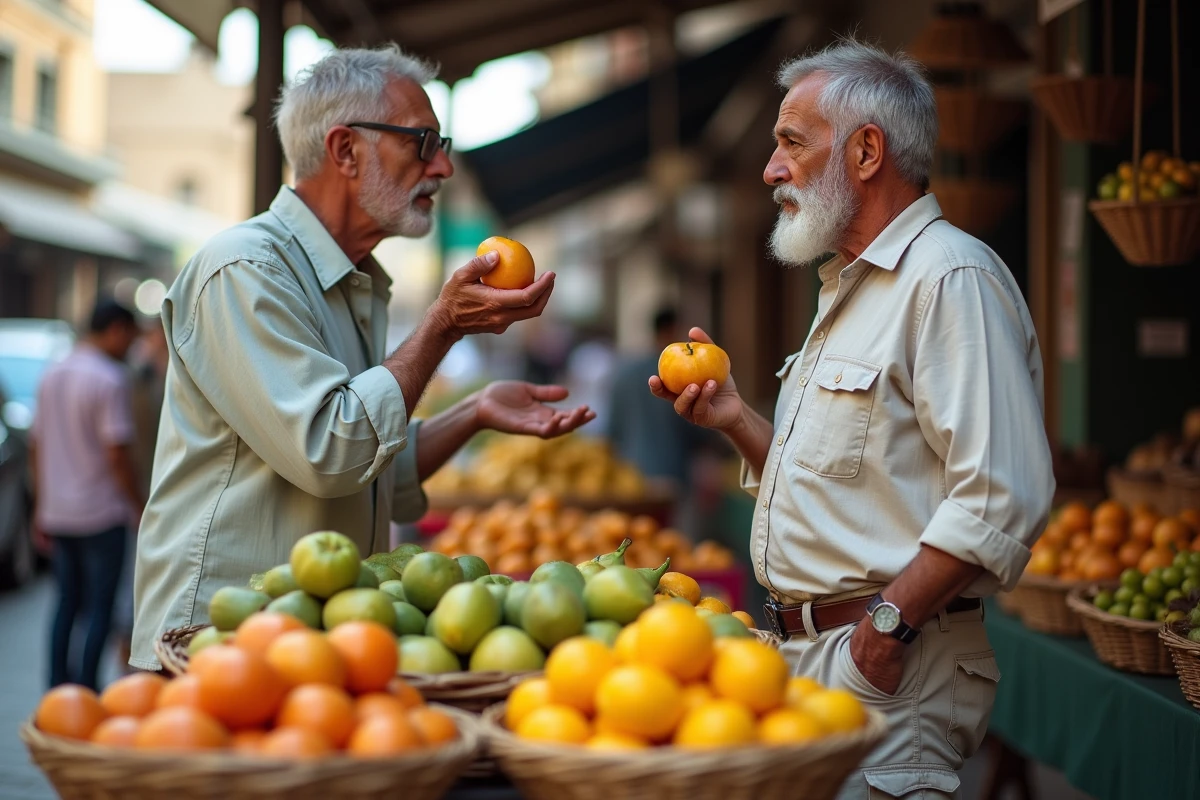
- Seeking encounters with locals, visiting local markets, participating in craft workshops or traditional festivals, all opportunities to forge authentic connections.
Good preparation is the key to a successful stay: informing oneself about customs, learning a few words of the local language, respecting practices. Limiting plastic use, bringing a water bottle and a tote bag, prioritizing local products, and avoiding unnecessary purchases: every gesture counts. Because the way we travel shapes the world as much as the landscapes we cross, traveling differently also becomes an act of collective construction.
Exploring differently is to give oneself the chance to inscribe each journey in a positive dynamic, which transcends one’s own experience and leaves a human footprint, more lasting than any trace of footsteps.