
At an airport counter, some currencies sometimes undergo double conversion, resulting in hidden fees for the unsuspecting traveler. The displayed rates differ significantly from those practiced by online banking apps, generating considerable discrepancies over the course of a trip. In some countries, withdrawals from local ATMs impose limits or fixed commissions, regardless of the amount withdrawn.
There are methods to limit these costs and anticipate the impact of currency fluctuations. Proper preparation can help avoid the traps often overlooked when exchanging currencies abroad.
Managing Your Money While Traveling: The Most Common Pitfalls to Avoid
Traveling with a bank card simplifies many processes, but this apparent convenience sometimes hides disappointments. A forgotten payment limit, unexpected fees abroad: it only takes one purchase or withdrawal to discover that the bank charges fixed commissions or applies unusual limitations. This can destabilize the management of the planned budget, and surprises are never pleasant.
The choice of bank network also matters. ATMs outside the euro zone often display an unfavorable conversion rate, and fees can be added without warning. To limit this kind of inconvenience, it’s better to opt for an international bank card offering multi-currency options. This is not a detail: having travel insurance directly linked to the card can make a difference in case of theft or loss. The safest strategy is to diversify your payment methods and carry only a reasonable amount of cash.
Another common mistake: converting a large sum all at once. For example, converting 1 million wons to euros without a reliable tool or specialized advice exposes you to rate volatility. Whether it’s yen, dollars, or pounds, neglecting the impact of conversion can weigh heavily on the overall budget. To avoid discrepancies, it’s better to gather information in advance and use the appropriate services.
Here are the most frequent obstacles encountered when managing money abroad:
- unexpected withdrawal limits,
- hidden commissions from the bank,
- risks of loss or theft of cash,
- and payment limits not suited to the country visited
In the face of these pitfalls, vigilance is essential. Adapting your payment solutions to each destination, staying attentive to your limits, and prioritizing security can help avoid unpleasant surprises and travel more peacefully.
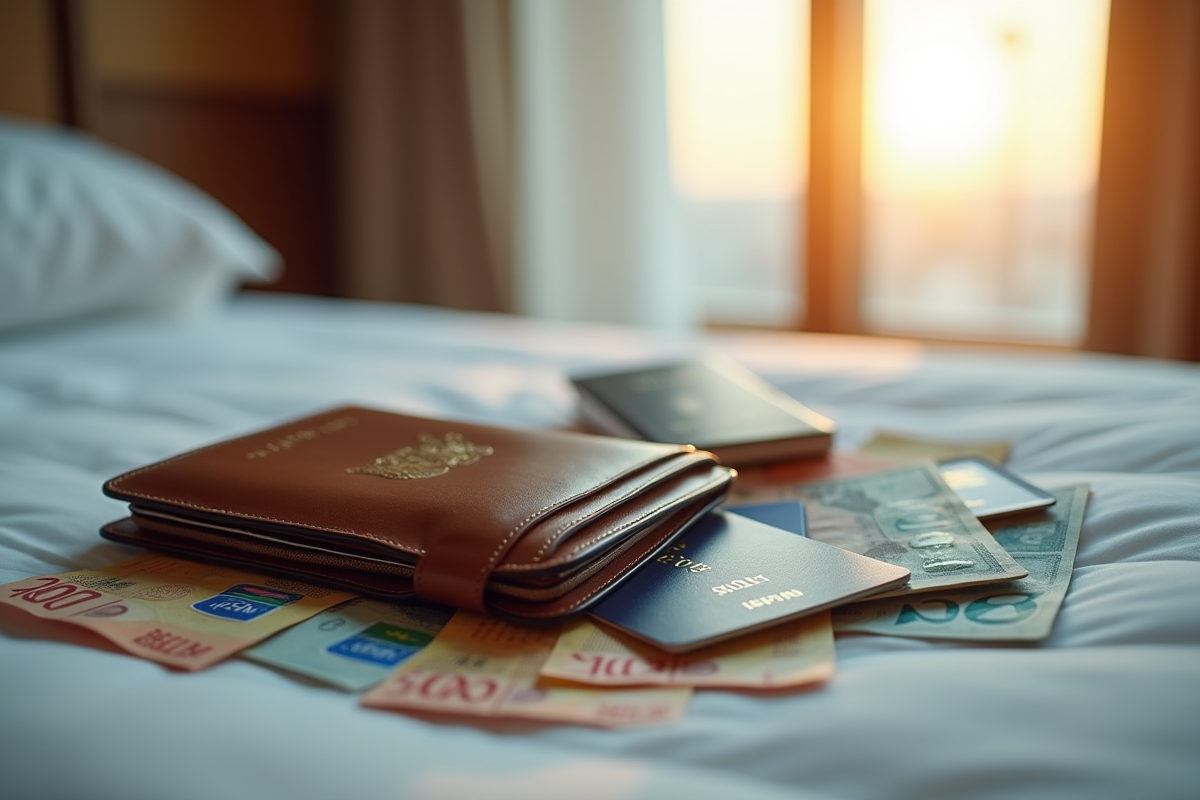
How to Anticipate Conversions and Choose the Best Option for Your Currencies?
Planning each conversion before departure changes the game. Start by informing yourself about the local currency and the exchange rate with the euro, US dollar, Japanese yen, or British pound. Rates can fluctuate unexpectedly, and a simple difference can disrupt your vacation budget. Use reliable tools to simulate what you will actually receive. Take the time to check the commission charged on each transaction, whether it’s a withdrawal at an ATM or a cash payment.
In tourist-heavy areas, it may be tempting to exchange money at the last minute. This solution almost always exposes you to unfavorable rates. For all transactions conducted abroad, a bank card suited to the area visited remains the safest choice. Select your card type based on the proposed limits, included insurance, and acceptance network (Visa, Mastercard).
Some simple reflexes can facilitate currency management while traveling:
- Keep a small amount of cash for your first days on-site.
- Organize your withdrawals according to the current rate, limiting transactions to avoid recurring fees.
- Inquire about the possibility of selling back remaining currencies upon your return.
Don’t overlook restrictions: some countries impose limits on withdrawals or restrict the outflow of their currency. For a stay in the euro zone, conversions become unnecessary, but payment limits still deserve careful monitoring. Anticipating, comparing rates, and checking fees related to each banking operation remain the best ways to maintain control and avoid unpleasant surprises.
Preparing your budget also means giving yourself the freedom to fully enjoy your trip, with peace of mind, away from banking hassles that could spoil everything.