Escaping traditional digging has long been possible only at the cost of lower yields or compacted soil. However, certain methods allow for the preservation of soil structure while ensuring high productivity. The adoption of new tools in the gardening world is often hindered by attachment to old techniques or by a lack of knowledge about proven alternatives. Yet, a simple solution exists to reconcile soil respect and work efficiency.
The grelinette, a tool designed to preserve soil life
The grelinette, conceived by André Grelin in the early sixties, has transformed the approach to gardening. Instead of disturbing the earth, this tool designed for aeration acts delicately, freeing the soil structure while leaving intact the life that develops within it. The microorganisms that make the soil fertile remain protected, fostering a dynamic underground ecosystem.
Its use is intuitive: the robust tines sink in thanks to body weight, the two handles provide stable support, and you simply need to gently tilt to open the soil deeply. No turning, no violent upheaval: the life of the soil continues, worms become active, and fungal networks remain intact. This more respectful way of working breaks away from the aggressive methods of the past.
Whether amateur or professional, many recognize the ease that the grelinette brings, even when it comes to preparing compacted ground. It adapts equally well to small urban gardens as to large rural plots. For those wishing to compare models or gather information before taking the plunge, the site grelinette-warrior.com offers a detailed and updated overview of various grelinettes, highlighting their advantages in preserving the life of the soil.
Here’s what the grelinette concretely allows:
- Aerate the soil while preserving its natural structure
- Encourage the activity of microorganisms and earthworms
- Spare the gardener’s back thanks to the lever effect
- Protect the biodiversity that develops beneath our feet
What concrete benefits compared to traditional gardening tools?
With the grelinette, we change the logic. Where the spade turns, breaks, and mixes soil layers, the grelinette penetrates without disturbing everything. The result is visible: the soil retains its structure, moisture remains available, and underground life continues its work. Physical effort diminishes, even on heavy or clay soils.
Those who use it quickly notice a significant reduction in fatigue. The tilting action, made possible by the two handles, protects the back and joints. On wet or compact soil, the grelinette advances where the spade gets stuck or tires.
To better understand the advantages of the grelinette, here are the main observations from users:
- Soil structure respected: the different fertile layers remain in place, and microorganisms continue their beneficial action.
- Universal efficiency: whether it’s clay, silt, or potting soil, the grelinette adapts without forcing.
- Real time savings: preparing plots, for winter or the growing season, is done much faster, without exhausting back-and-forth trips.
The grelinette thus offers a concrete response to two major needs: preserving fertility and lightening the gardener’s task. It’s a gentle but radical change that allows the soil to breathe while letting life flourish within it.
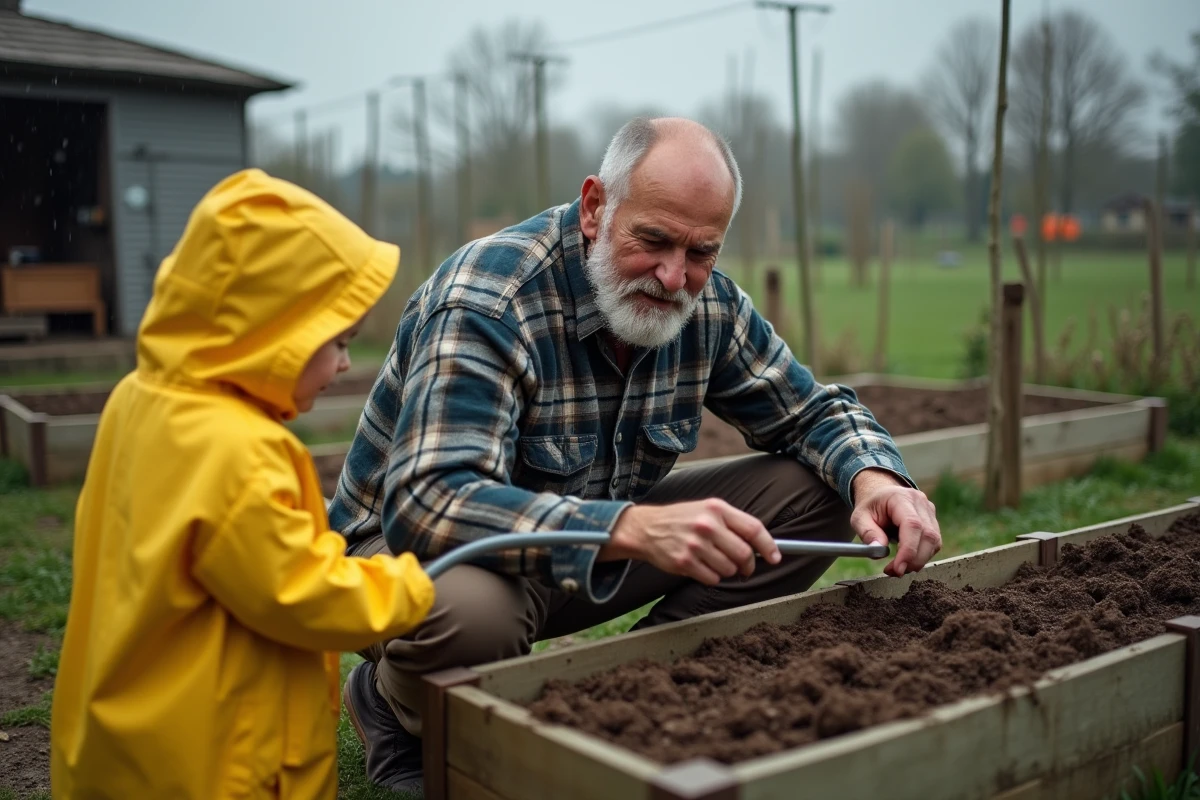
Choosing and using your grelinette for an ecological and productive garden
Choosing a well-suited grelinette means matching the tool to the nature of the soil and your own strength. The number of tines, three, four, or five, largely depends on the area to be worked and your physical comfort. For heavy or clay soils, a three-tine grelinette is often easier to handle and penetrates the soil without requiring too much effort.
The handle, usually made of ash wood, should allow for a secure and comfortable grip. Its length affects the lever effect: too short, it forces you to bend and strains the back; too long, it becomes cumbersome. It’s also wise to check the sturdiness of the assembly, the value for money, and the robustness of the tool. Observing a photo taken in context (with appropriate credit) often provides a faithful insight into the quality and ergonomics of the grelinette.
Tips for optimal use
Here are some simple gestures to harness the full potential of the grelinette:
- Insert the tool vertically, using your body weight to limit effort.
- Tilt the two handles to gently open the soil without turning it.
- Choose a time when the soil is neither too wet nor too dry: this protects the structure and facilitates aeration.
- Work in parallel strips across the entire area to be prepared, ensuring uniform aeration.
Using the grelinette regularly supports the life of the soil, promotes the circulation of air and water to the roots, and prepares healthy growing beds. A productive and sustainable garden relies on this respectful gesture, passed down from hand to hand, a legacy of agriculture attentive to every form of life. The grelinette is the tool that invites you to cultivate differently, never losing sight of the precious balance between man and earth.